
But the amateur shall be allowed to work his will unchecked.
In a cozy corner of the electric flame department of the infernal regions there stands a little silver gridiron. It is the private property of his Satanic majesty, and is reserved exclusively for the man who invented amateur theatricals. It is hard to see why the amateur actor has been allowed to work his will unchecked for so long.
– P.G. Wodehouse, opening Chapter 10 of ‘The Gem Collector’ (1909)

There are many who insist on denigrating the title amateur, and many more who bemoan its very existence, often without any meaningful engagement in the arts themselves.
I am always prepared to argue for the necessity of amateur practice. In many respects, amateurs are better positioned than professionals to move the arts forward.
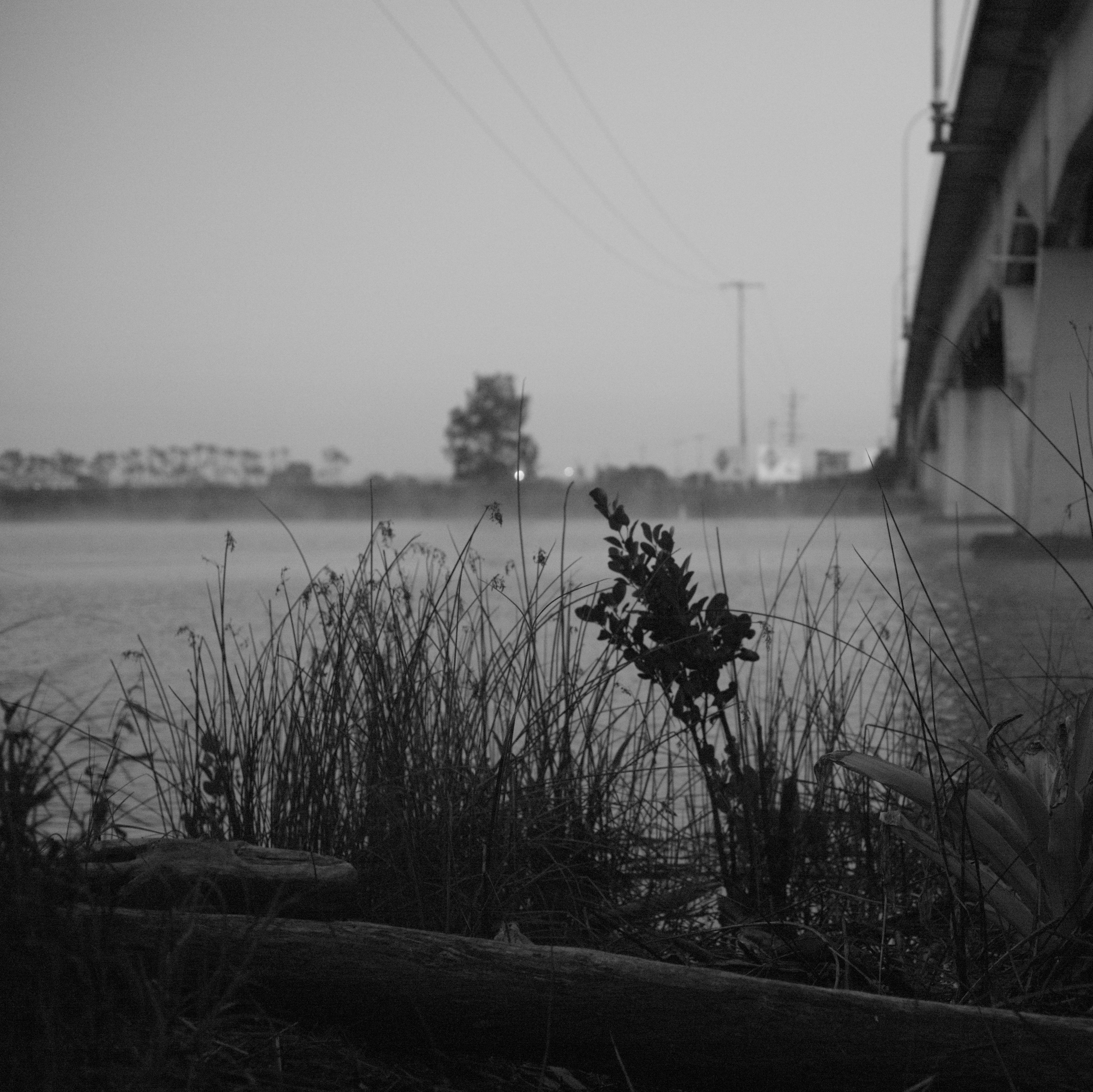
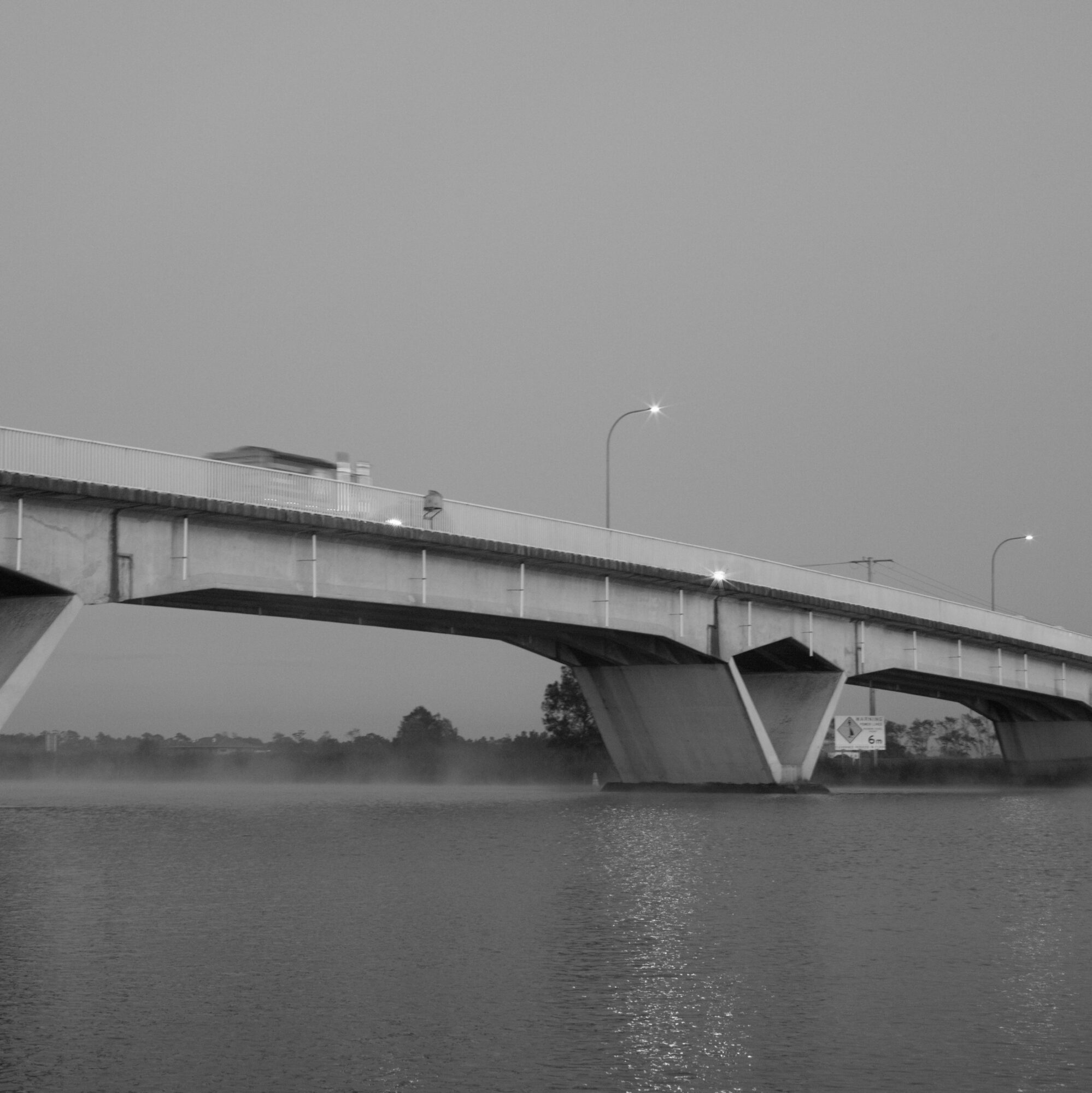
This article is accompanied by a selection from my long-standing ‘Life Squares’ series, where insignificant images are recorded as an only slightly more thoughtful alternative to the “happy snaps” that proliferated Instagram in the 2010s.
Some of the least compelling art is impeccably made. Perfectly crafted, carefully resolved and entirely predictable. It is no coincidence that such work is often produced within professional contexts.
Professional artistic practice is shaped by structural constraints. To sustain a career, work must be legible, consistent, and marketable. A recognisable style emerges, a repeatable process is established, and the outcome becomes increasingly dependable. The artwork functions, at least in part, as a solution to an economic problem. The work may be technically refined yet conceptually conservative. It is the art that succeeds, because it resembles what is already known to sell. And over time, that proves to be… boring.
Amateur practice is a different operation. Without the pressure to generate income or maintain an audience, amateurs are free to take risks that professionals cannot easily afford. They move between media, disregard conventions, and persist in error. Their lack of technical knowledge – so often framed as a deficiency – can instead be generative. Misapplications and misunderstandings do not produce failure, rather they open new directions. That’s where your character is. That’s where the art is.
Innovation only really comes from people who have nothing to lose. Amateurism, then, is not simply an early stage of development, but a necessary condition for artistic change. Without it, the arts become increasingly proficient, and correspondingly inert.
Amateurs push the arts forward. And that is a position worth claiming.
Leave a Reply