
How variety, consistency, purpose and sequence transform four photographs into a coherent visual narrative.
Photographers often assume that a strong body of work requires scale. Twenty photographs, even fifty, creating an exhibition that fills an entire gallery. Yet some of the most effective visual narratives can be distilled into just [three,] four [or five] images.
It is not simply a matter of selecting four photographs that you like – the challenge is in crafting a sequence that functions as something greater than the sum of its parts. Four images provide enough room for complexity, but not enough room for mistakes. Every frame must contribute something unique.




Variety
Variety is essential in a small photoseries. A composition of four nearly identical photographs tells us very little, and while repetition can establish mood, it rarely expands understanding. If the objective is to communicate a place, an experience, or an idea, the viewer needs enough information to understand the limits of the space you are describing.
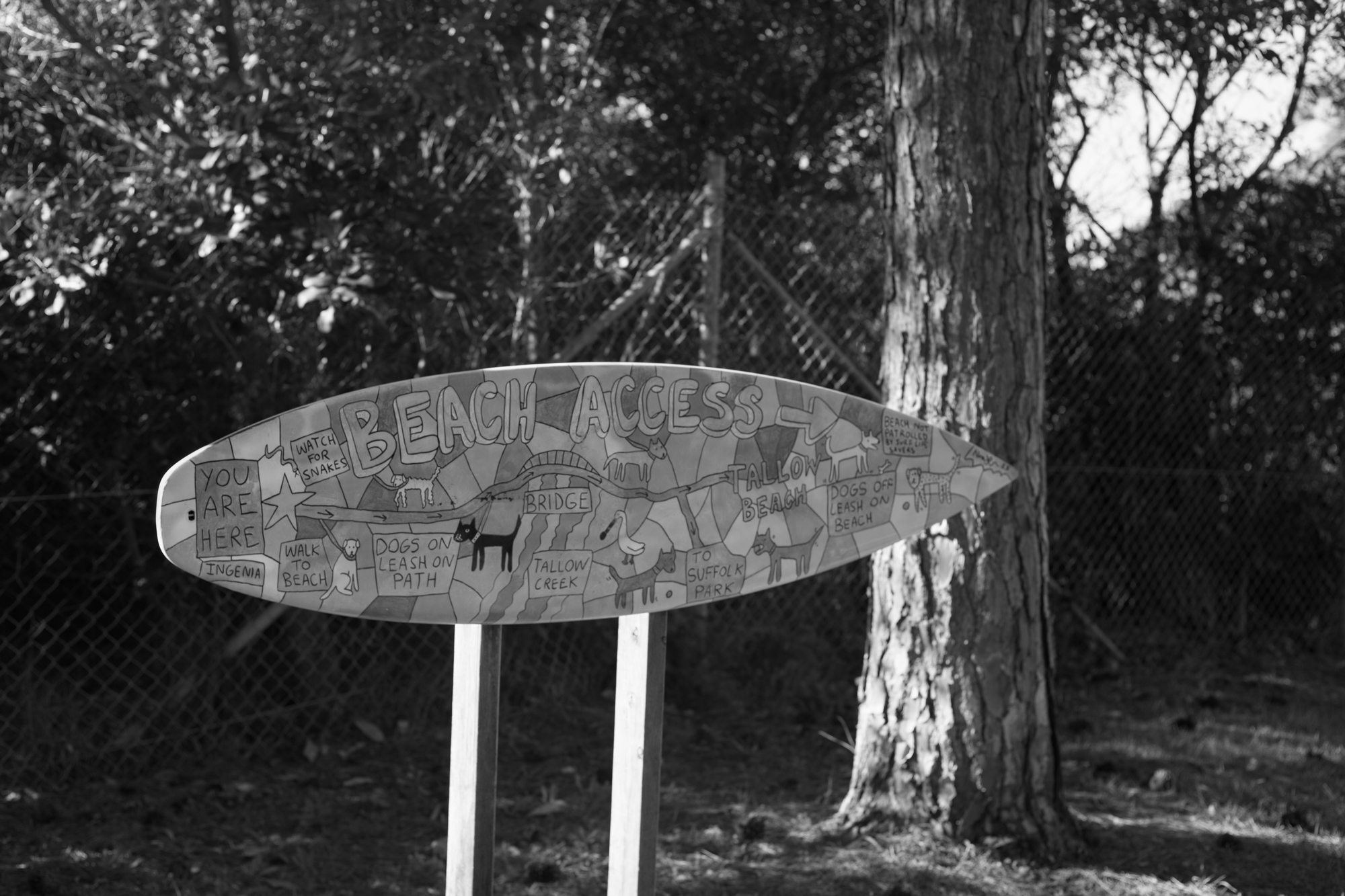
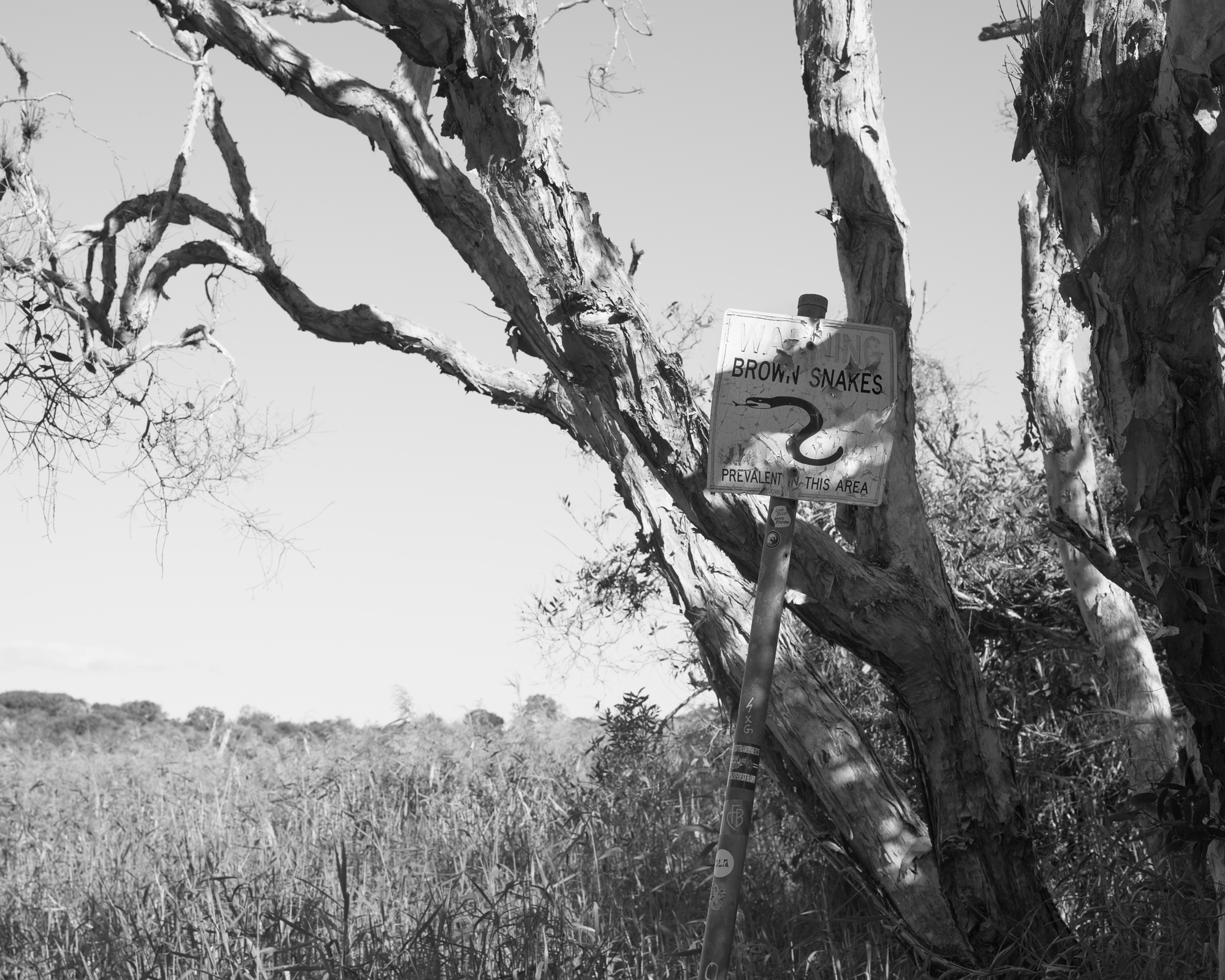
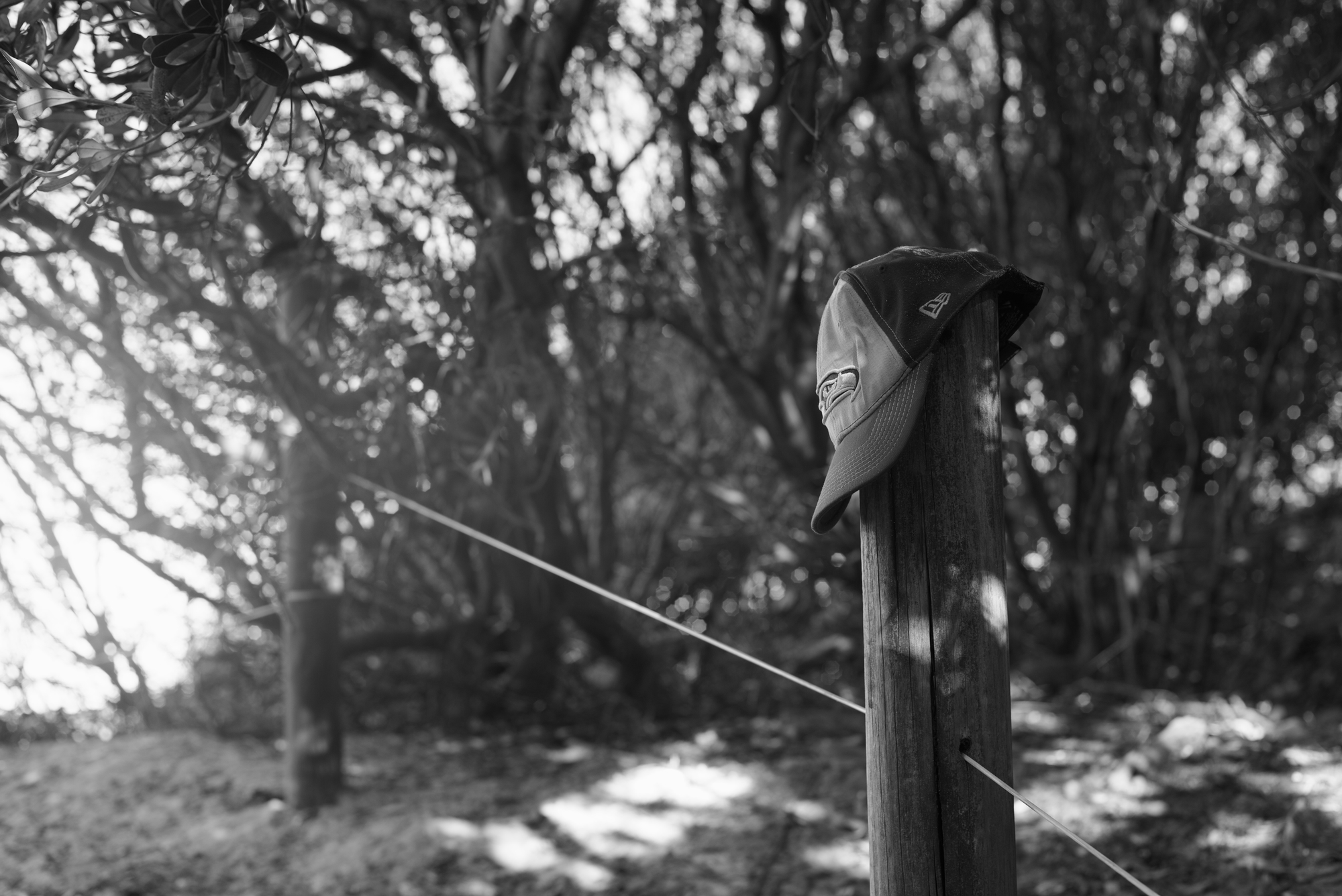
Think of variety as defining the parameters of the story. Perhaps one image establishes the wider environment, while another focuses on a detail. A third introduces people or character, with the fourth revealing an interaction or consequence. Together they provide a map of the territory.
This does not mean forcing variety for its own sake. The images should reveal genuinely different aspects of the subject. Each photograph may answer a different question or provide a unique piece of information. If every image says the same thing, you probably only need one photograph.
Consistency
At first glance, consistency appears to contradict variety, but in practice both are necessary. The viewer must recognise that the images belong together, and without some form of cohesion, four photographs are merely four unrelated observations.
Consistency can emerge through a range of means. Tone and colour treatment are perhaps the most obvious, with similar handling of contrast, saturation, or monochrome conversion helping to establish a common visual language. But consistency can also be found elsewhere. Subject matter, framing, focal length, perspective, lighting, or even recurring visual motifs can create a sense of unity. Some photographers maintain consistency through strict technical choices, while others achieve it through a shared emotional atmosphere. The specific method matters less than the outcome. The viewer should feel that they are looking at different chapters of the same story, rather than distinct stories accidentally placed beside one another.

Purpose
Arguably the most important question is also the simplest: Why are you making the work? What are you trying to say?
I doubt very much that your photographs are truly purpose-less. Every project begins with some curiosity, observation, frustration, affection, or concern. The clearer you are about that motivation, the easier every subsequent decision becomes. Your objective should act as a checkpoint throughout the process.
Why this image and not another? Why colour instead of monochrome? Why include people, or exclude them? Why four photographs rather than ten?
The answers do not need to be explicit to the viewer, but they should be clear to you. When the purpose of a series is understood, artistic and technical decisions become easier to justify. Images are selected not because they are individually impressive, but because they contribute to the larger statement. A successful four-image story is not merely a collection of good photographs, but rather a group of frames working together towards a shared objective. That objective is what transforms a sequence into a narrative, and a set of images into a body of work.
Structure and Sequence
Even with only four images, structure and order matters. The viewer may encounter photographs all together simultaneously, or one at a time, building an understanding of the work as they progress through the sequence. The meaning of any individual image can be influenced by the images that come before and after it, or that appear around it. A strong structure and sequence guides that experience. Often the first image acts as an introduction, establishing the setting, the subject, or the tone. The final image frequently serves as a conclusion, leaving the viewer with a lasting impression or unanswered question. The images between them provide context, detail, and development.
There is no universally correct structure. Some stories move from broad to specific, beginning with an overview before narrowing to details. Others do the opposite, using fragments and clues before revealing the wider picture. Some sequences are chronological. Others are organised around visual relationships, recurring shapes, colours, or themes. What matters most is that the order feels intentional.
A useful exercise is to physically rearrange the photographs and observe how their meaning changes. An image that feels like a conclusion in one sequence may function as the introduction to another. Sometimes the strongest photograph belongs in the middle, acting as a pivot around which the rest of the narrative resolves. The sequencing should create momentum. Each image should encourage the viewer to move naturally to the next, carrying information, emotion, or curiosity forward through the set. A four-image story leaves little room for redundancy. Every photograph must earn its place, and every position must earn its photograph.



The limitations of a four-image story are precisely what make it useful. With so little space available, there is nowhere to hide weak photographs, unclear intentions, or careless sequencing. Every decision is clearly visible. The exercise forces photographers to think beyond individual images and consider how photographs function in relation to one another. Variety expands understanding, while consistency creates cohesion. Your purpose drives the direction of the work, and its sequence shapes meaning. Remove any one of these elements and the story begins to weaken.
While this is a particularly useful framework for small photo essays, it also functions for editing in general. Whether your final body of work contains four photographs or forty, the same questions remain. What does each image contribute? Why does it belong? What happens if it is removed?
The ability to tell a story in four images is ultimately an exercise in restraint. It requires trusting that a small number of carefully chosen photographs can communicate even more effectively than a large collection of loosely connected ones. The objective is not to show the viewer everything, but to show them enough
Leave a Reply