Because, to be honest, there are elements of my practice that I haven’t agonised over to the nth degree.
It’s a question that surfaces more often than people admit: does what I do truly warrant the title ‘artist’? In all honesty, there are elements of my practice that I don’t analyse to death. I haven’t always carefully and diligently considered every detail, every stroke, every line. Yet the mythology around art and artmaking loves to suggest that perhaps I should have.
-
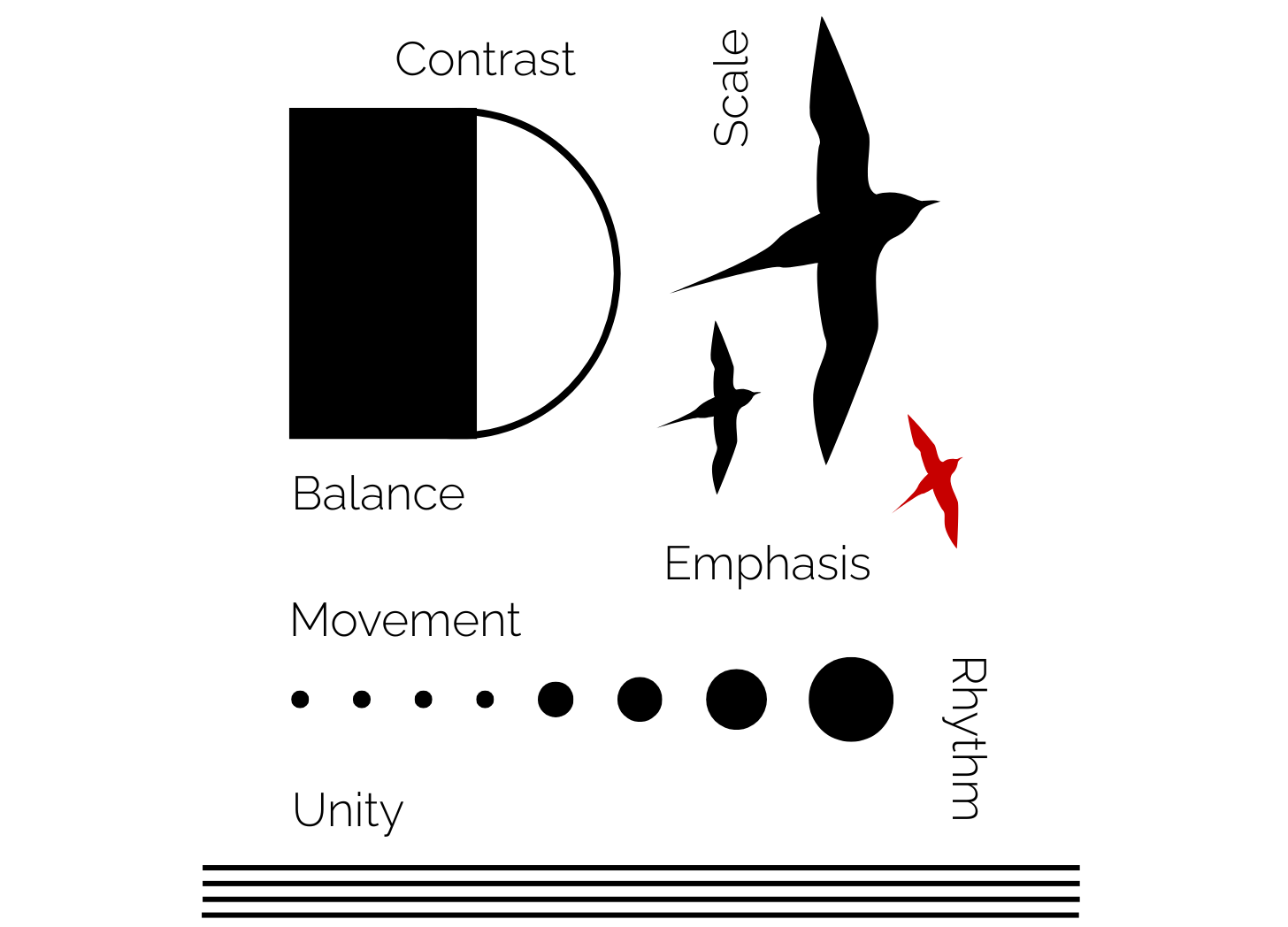
Building Art, from Elements and Principles
Understanding the elements and principles of design as a basis for all visual arts.
In a previous article on building art from the elements and principles of design, I boldly congratulated the reader on their status as an “artist”. The reason was simple: if you are capable of observing and creating a line, you are already engaging with the basic language of art.
Now I’m doubling down on that claim. If you are using any of the elements of design – line, point, shape, form, colour, value, texture, space – you are making artistic decisions. You might not yet know exactly what purpose they serve, and you might not always be able to articulate the intent behind them, but that does not disqualify you. The idea that you must have considered every possible meaning and interpretation of your work before you can call yourself an artist is nonsense.
Do I think about everything in the work I make and carefully decide every detail? Actually, no. I make selections and considerations that are important, but the notion that the more of them you can juggle simultaneously, the better the art (or the better the artist), is total bull.
l bull.
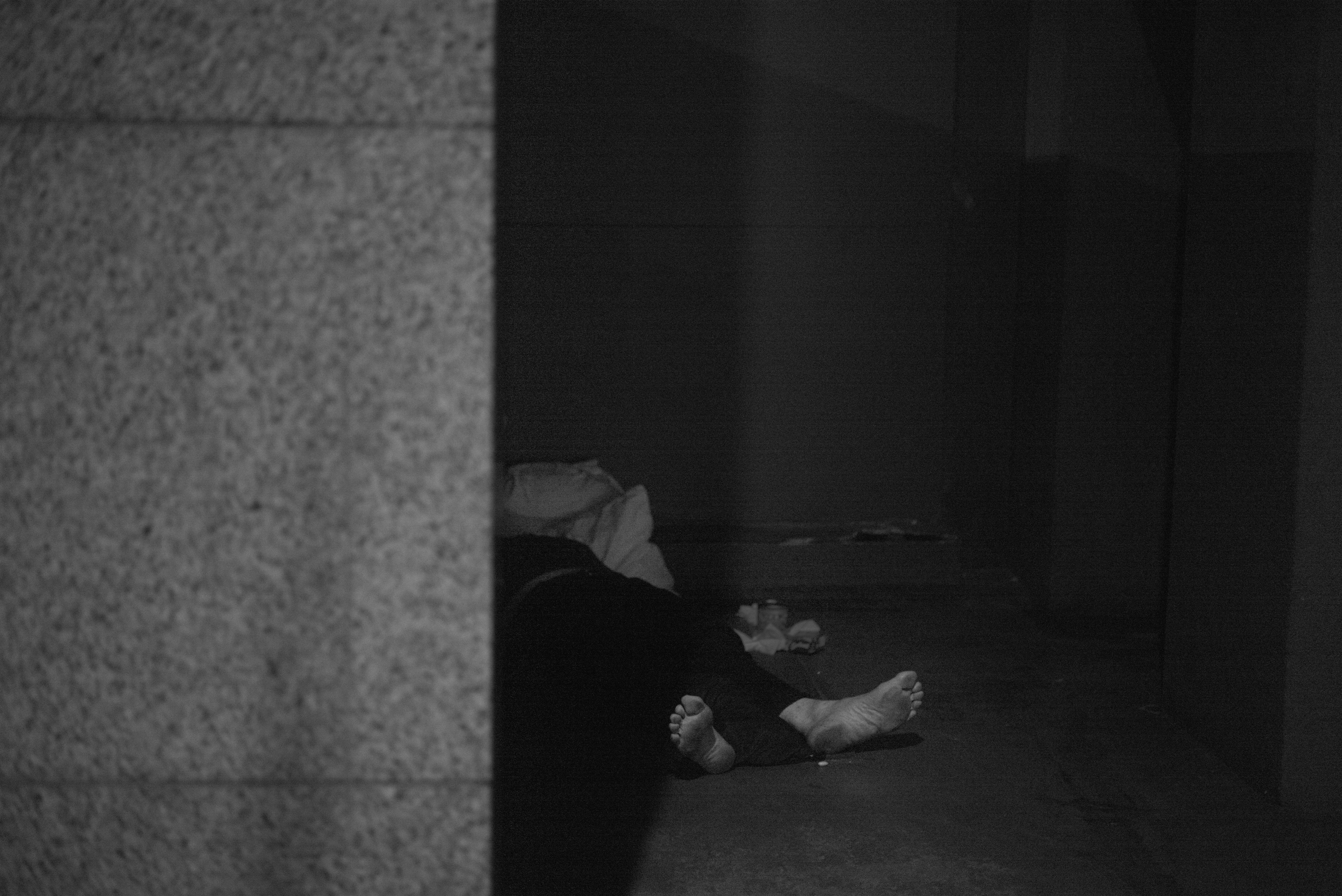
The last few weeks have seen me spend most of my time walking and photographing the street. Not the kind of photography where you linger in one place and carefully engineer a frame, rather the opposite. I keep moving. The light changes, people go about their acts, the moments come and pass. If I stopped to analyse everything, the photograph would be gone before I even lifted the camera.
In the case of the image above, I didn’t want to hang around. There is something inherently upsetting about being recorded in your “home”, especially when that home is a piece of city sidewalk. And, as a lone female photographer on the street at 4:45am, spending more than a few seconds on an intimate shot of someone who hasn’t offered their consent is simply not wise.
This is where ‘feel’ is real. Instinct is real. Allowing something to unfold without over-engineering it is still a decision. Saying “I’m not planning this” is a choice, and it’s just as valid as any tightly controlled artmaking strategy.
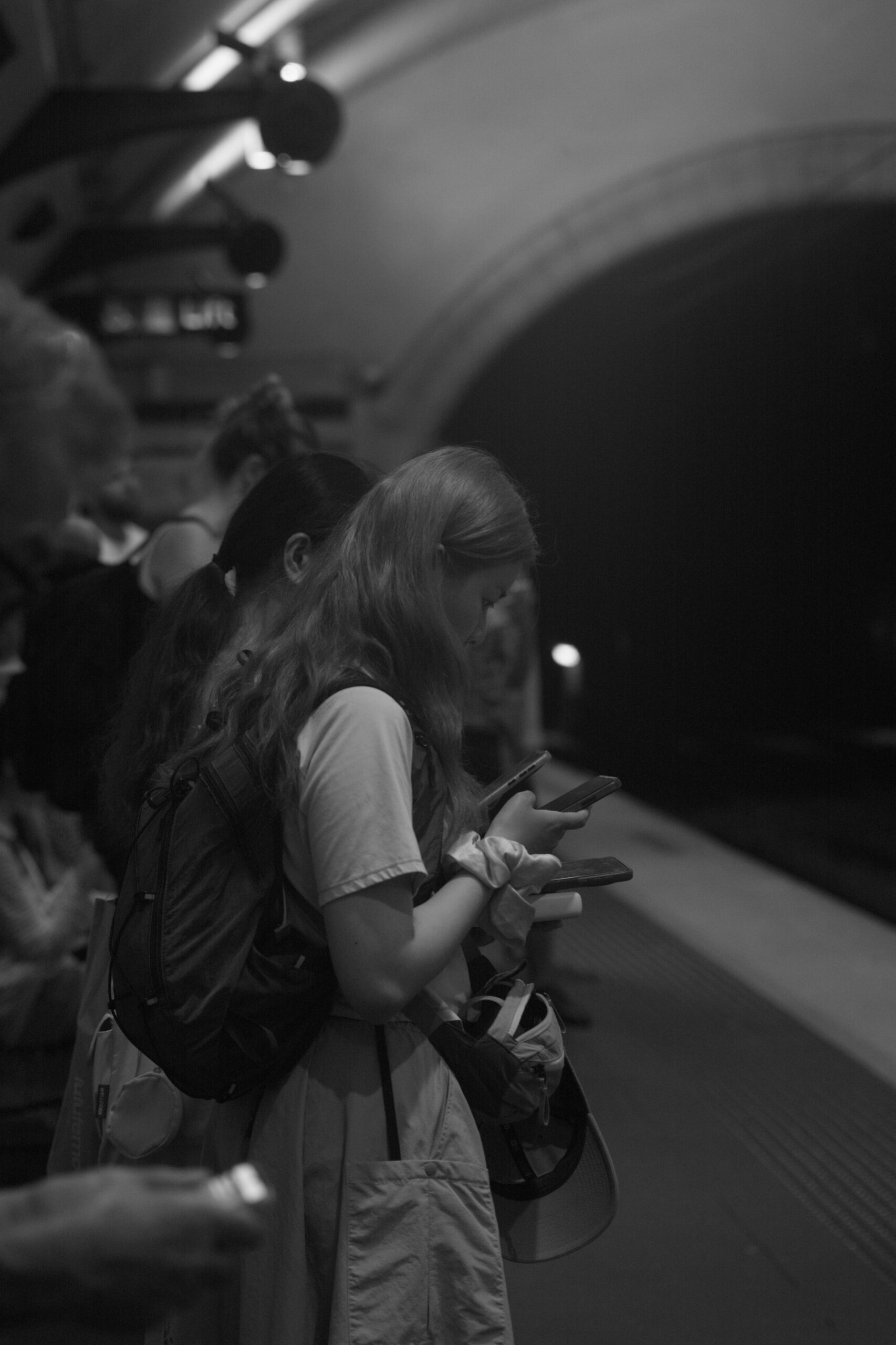
Electing to not make intentional decisions is still a choice that shapes the work. The resulting elements still carry meaning, even if you haven’t worked out what that is yet. Sometimes the meaning arrives later. You can make the work first, then realise what it’s doing. You might look at it again a week, a year, or a lifetime later and finally understand why it feels the way it does. Discovering intention after the work exists is not a failure of artistic practice. It is, in fact, a very common part of it.
Artists rarely admit this openly, but there is always an element of this in any artwork. In every project there will be moments where something just felt right, or where a decision was made quickly, without analysis. There are some artworks where the elements addressed in this manner are only minute, but there are always some aspects that simply haven’t been agonised over.
Call it ‘spontaneity’, ‘intuition’; call it ‘ignorance’, a ‘mistake’ or a ‘miss’. None of these things invalidate the work and art is not better for eliminating them. If anything, it’s in these moments that the work becomes alive.
Now go and make art, artist.
Leave a Reply