
How chasing “perfect” light can get in the way of better photographs
Photography is nothing without light. Here’s an example:

Yeah, it’s art – but without some additional context, it’s not the most compelling image ever created.
Which brings us to the central question:
Why are photographers so obsessed with light?
The word photography does mean “drawing with light”, derived from the Greek phōs (light) and graphē (drawing or writing). But notice the middle word in that phrase: with. Not about. Not only. Just “with”.
Of course, you do need some light if you’re going to expose a sensor or a strip of film – the physics of the medium demand it. But when you’re in never-ending pursuit of “golden hour”, always waiting for “good light”, and obsessed with stands, umbrellas, modifiers and weather apps… you’re missing many of your best photographs.
Light allows photography to exist, but it does not magically make an image interesting. Beautiful light falling on an unremarkable subject rarely rescues a weak image, while a strong structure, relationship, or moment will often survive, and even flourish under, flat, harsh, or awkward illumination. It can help to think of light the way a writer thinks about ink. Ink makes the words visible, but meaning comes from structure, rhythm, contrast, and intent.

This image was made in flat, overcast light – the sort of conditions photographers often feel the need to apologise for. There are no dramatic shadows, no glowing highlights, no cinematic sky. And yet the image holds.
What carries it isn’t atmosphere, but structure: the contrast in scale between the tug and the ship, the strong horizontal bands anchoring the frame, the vertical interruptions that introduce rhythm, and the way colour separates the image into clear planes. The light here is neutral and even. Rather than demanding attention itself, it allows the relationships within the frame to read clearly. The photograph doesn’t succeed because of the light; it succeeds with it.
Photography, despite its quirks, is still art. It operates within the same language as drawing, painting, sculpture, and graphic design: line, point, shape, form, texture, value, colour, space. These are the same tools artists have been using for as long as art has been practiced.
If those ideas need a refresher, I’ve already outlined the Elements and Principles of Design in a dedicated article – not as theory for its own sake, but as something directly applicable to photographic (or any other artistic) practice.
These fundamentals become all the more visible when light is no longer in the driver’s seat.
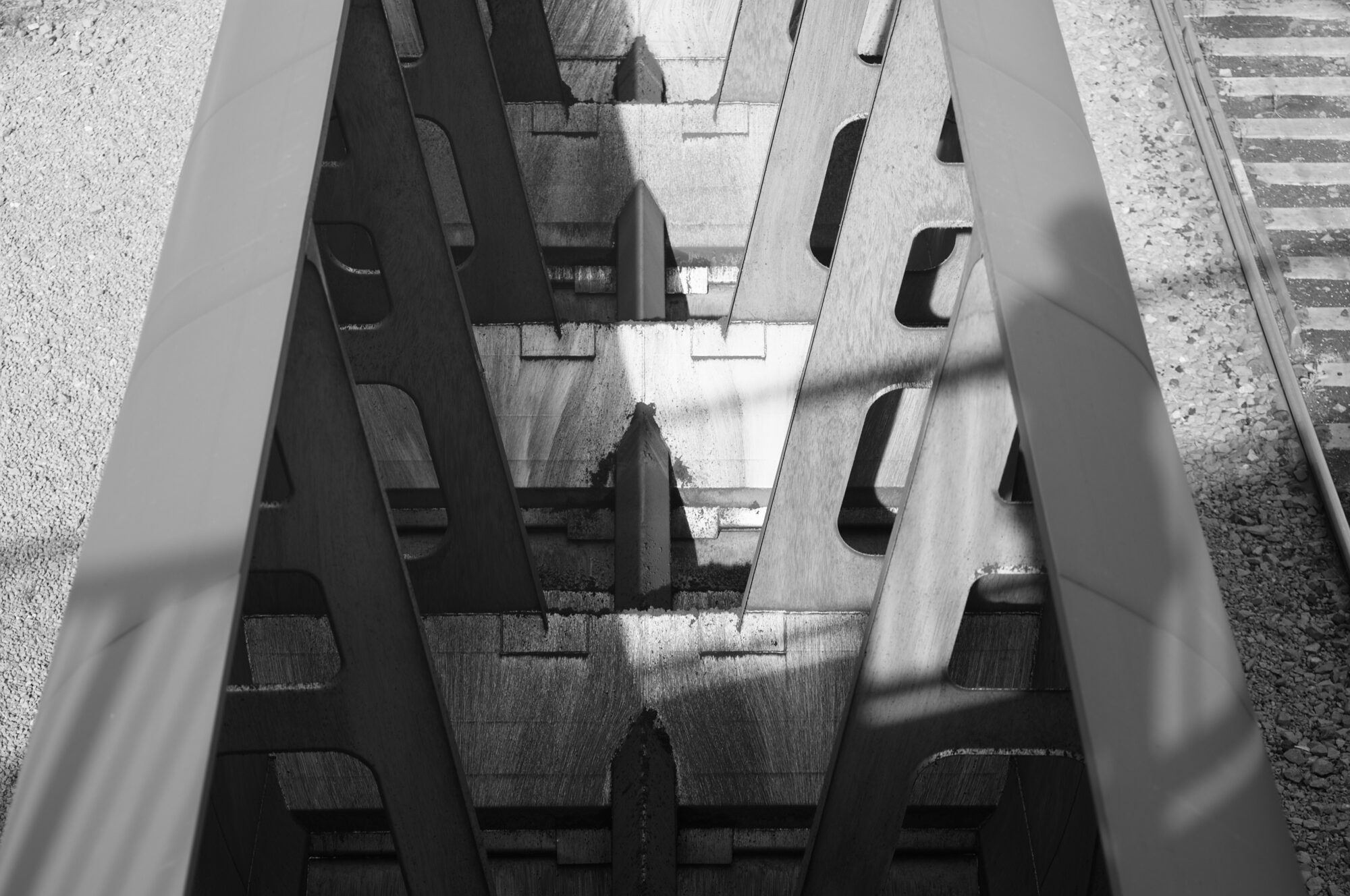
This image makes that point even more obvious. The light here isn’t romantic or gentle. It simply exists. It creates shadows, but those shadows are not the subject; they’re a consequence. What holds the frame together is repetition and rhythm, strong directional lines, a sense of balance that doesn’t rely on perfect symmetry, and the accumulated texture of the coal cart’s surfaces.
If that structure wasn’t present, the light wouldn’t save the photograph. The visual decisions were already doing the work before the light entered the frame. The light’s role is modest: to make those decisions visible.
Sometimes it can seem as though light is actively unhelpful, such as midday sun, overcast skies, mixed artificial lighting, fluorescent interiors, or night streets with uneven illumination. These are the conditions photographers complain about most, and often avoid altogether. But once you stop expecting the light to carry the image, your attention naturally shifts. Shape starts to matter more than glow. Contrast becomes more important than colour harmony. Gesture, timing, and the relationships between elements take precedence.
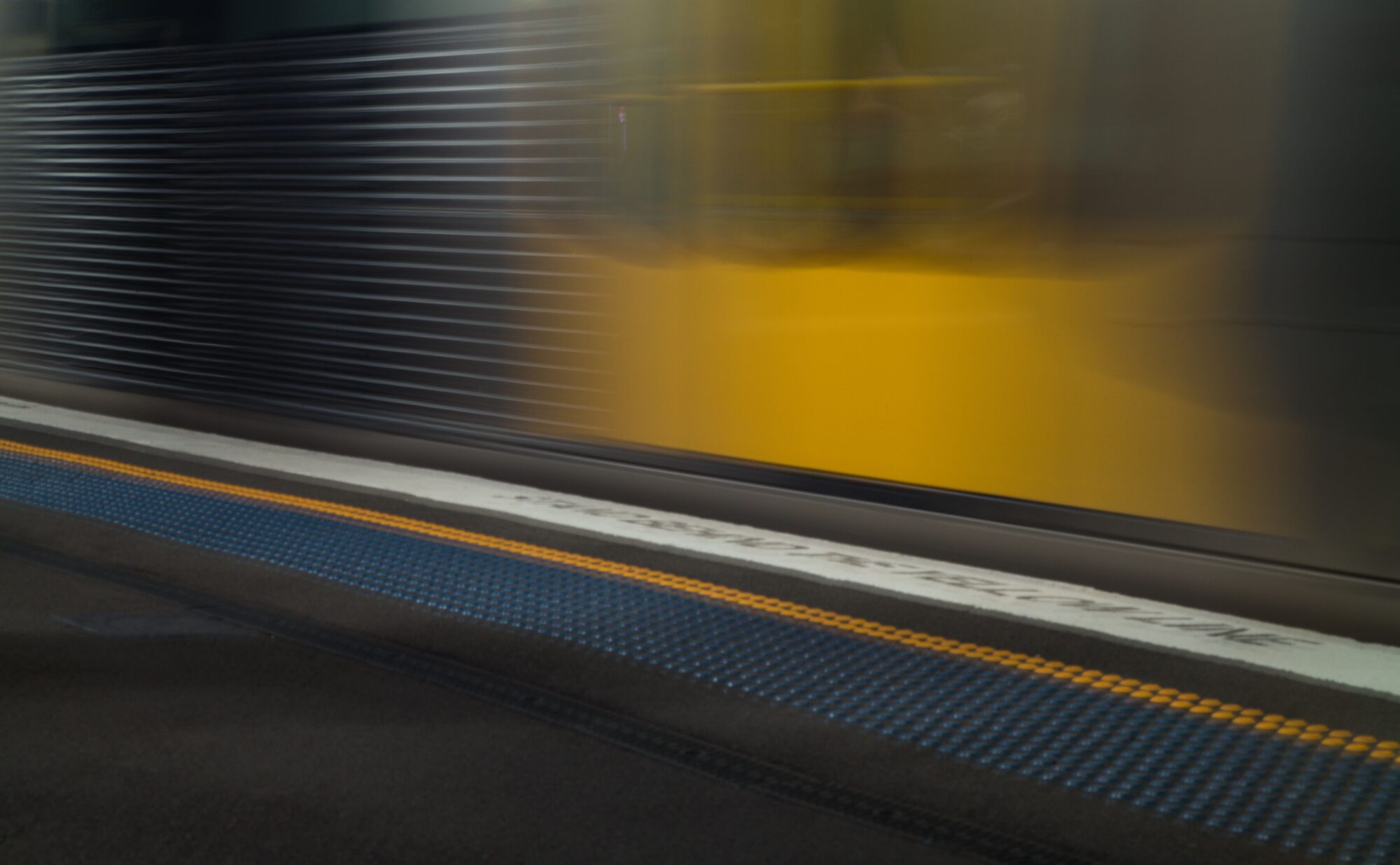
This photograph wasn’t made by finding better light. The lighting is mixed, inconsistent, and inherently limited. Instead of fighting it, the decision was to use the conditions as a guide to create art. Time replaces illumination. Motion becomes line. Colour becomes banding. The photograph shifts away from describing an object and instead towards an exploration of structure, movement, and flow. The light is still present (it has to be), but it’s no longer in charge.
More often than not, the solution to photographic problems isn’t better light, but better art.
Next time you’re out shooting, especially when the conditions feel dull or uncooperative, stop yourself from chasing better light. Instead, choose one thing to respond to: a strong line, an interesting shape, a repeated form, negative space, or a relationship between foreground and background. Make a photograph that works because of that choice. You will still be using light; you can’t avoid it. But it won’t be the only thing holding your image together.
Golden hour is wonderful. Soft window light is beautiful. Carefully controlled studio setups are powerful. But if your photography only works when the light “behaves”, then the light is doing most of the thinking for you. Once you stop waiting for perfect conditions, the world becomes usable at all times. The photographs were already there – you just had to decide how to present them.
Leave a Reply