
And does it matter where I keep the biscuits?
It’s 7:32am, I’ve just arrived. The light has already started making its move across the walls. The paintings watch as the kettle clicks off. The house is in use.
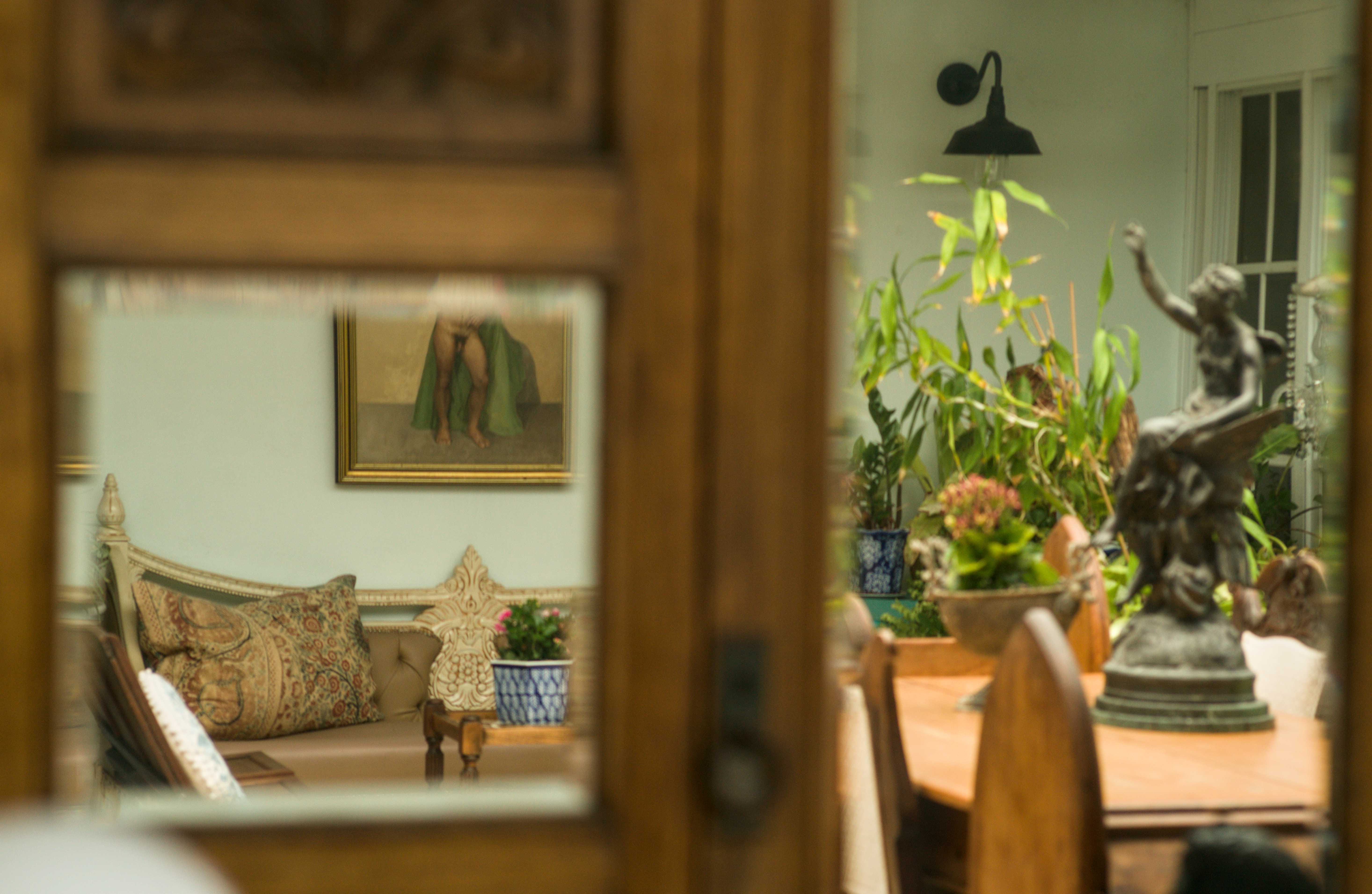
It’s a home, but it’s also a place of work. Art is discussed, planned, argued over, and administered here, in between cups of tea and the practical business of the day.
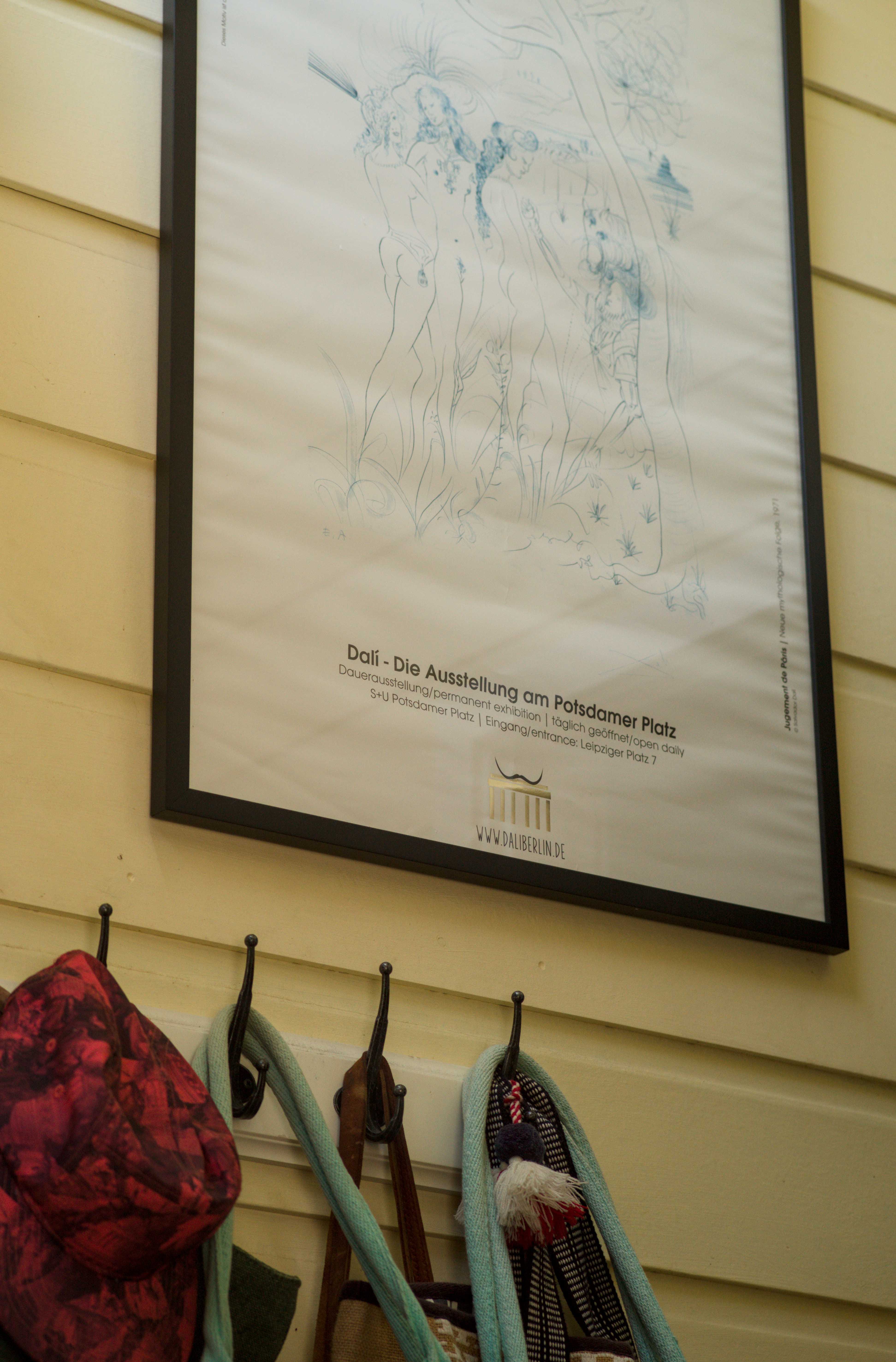
The art in these rooms isn’t presented. It isn’t spotlit or positioned front and centre as if to be worshipped by a waiting crowd. It hangs where it fits. It shares the walls with light fittings, with hooks, and the geometry of daily use. A classical bust occupies the same surface as a house plant (which I will water momentarily). A drawing sits above the place where coats are hung, the step where keys are dropped and where hands fumble for pockets.
Nothing here announces itself as art.
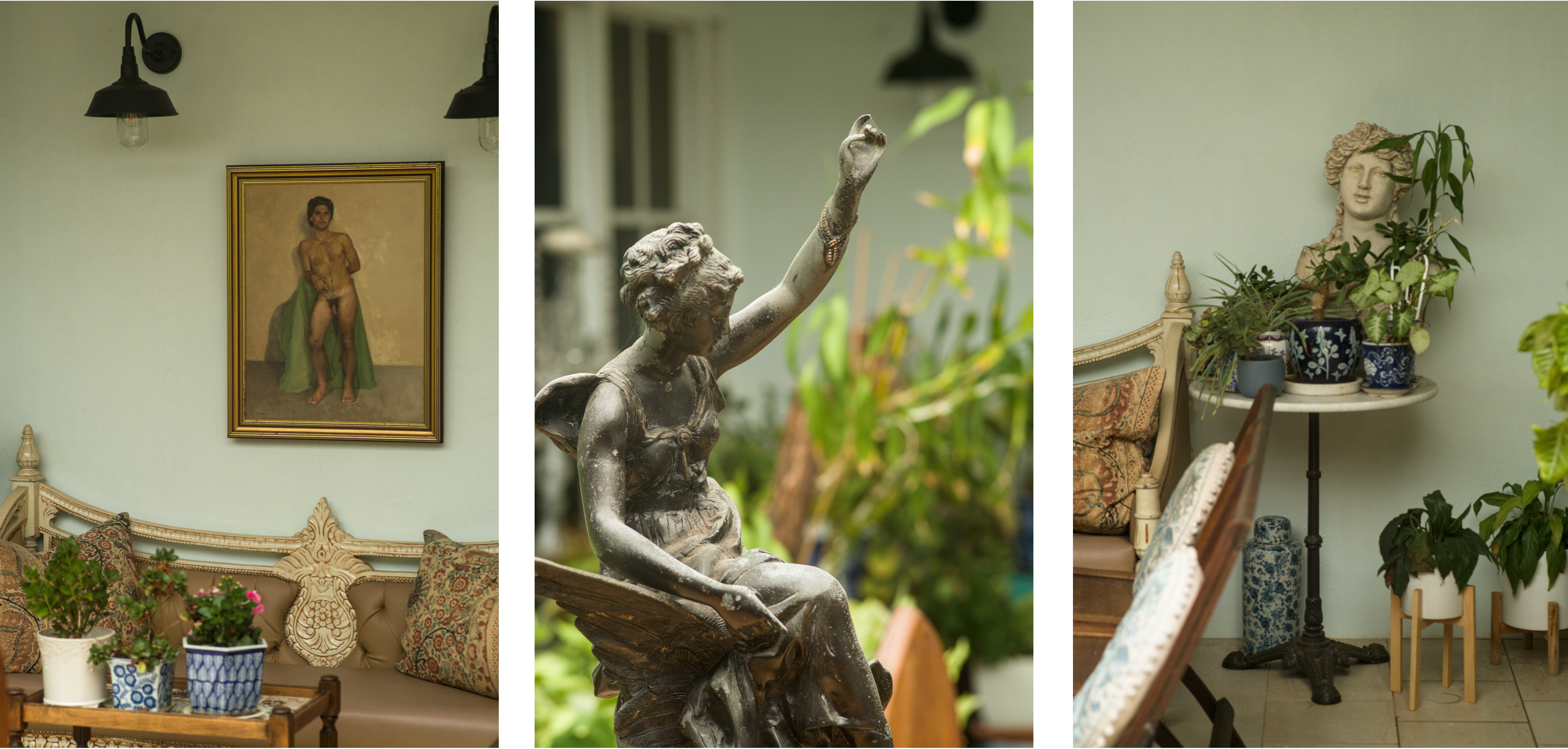
This is not a gallery. It’s a living room. A kitchen. A hall that leads inside, down to a bedroom.
And yet the objects on these walls carry histories far beyond the rooms they inhabit. They reference other places, other times, other modes of attention. In another context, they might be treated carefully, approached slowly, framed by silence and deep regard. Here, they coexist with clutter, with habit, and the low-level chaos of domestic life.
They survive.
The gallery teaches us how to look. It removes friction. It strips away distraction and gives clear instruction on what matters. It offers a special kind of permission – to take time, to be quiet, and to exhibit seriousness. These are not trivialities; they are generous conditions.
But the gallery also creates distance. It lifts art out of the everyday and asks us to meet it someplace else, under special circumstances, with the expectation that we will bring the correct posture and an appropriate tone to the encounter.
At home, none of that applies.
Here, art is seen sideways. It’s caught in the corner of our eye while passing through. It’s revisited hundreds of times without ceremony. Sometimes it disappears entirely, absorbed into the architecture of the room. Sometimes it reappears unexpectedly, made new by a change in light or season or mood.
There is no obligation to stand still and observe.
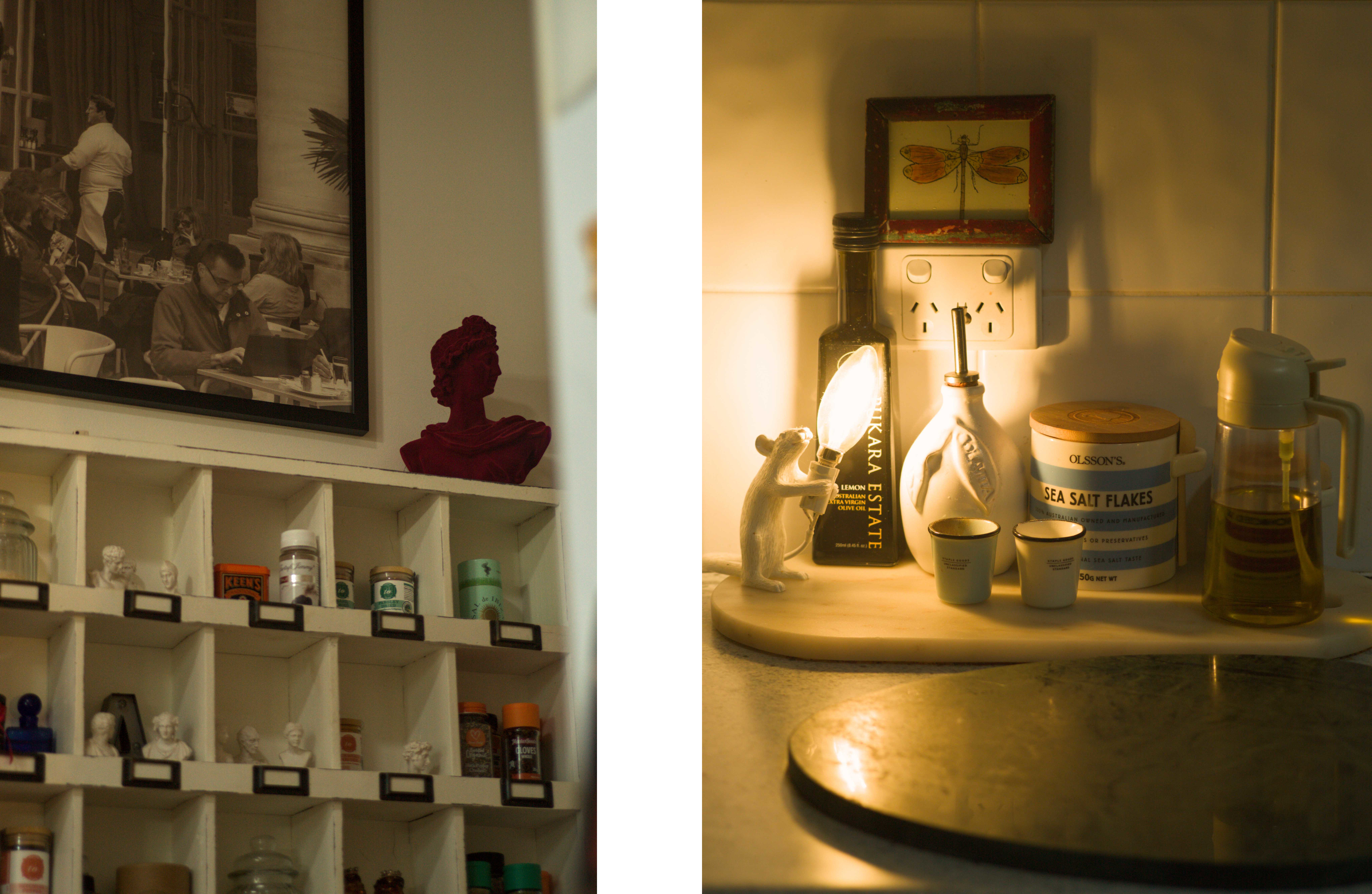
In these rooms, art doesn’t perform its importance. It doesn’t wait for us to be ready. It doesn’t ask for our full attention before being on display. It shares space with the objects that organise living: tables, cupboards, hooks, shelves and other necessities.
Living with art means making the same kinds of decisions about it as everything else. Where it fits. What it sits beside. These choices are rarely aesthetic alone; they are practical, habitual, and at times almost mandated by practicality. As I wander through, discovering more and more incredible pieces, I cannot help but consider my own home, and as I prepare a cup of tea, I wonder… does it matter where I keep the biscuits?
Nourishment, habit, pleasure, storage, and aesthetics exist on the same plane. Beauty is not reserved for special occasions or special rooms; it is negotiated alongside use.
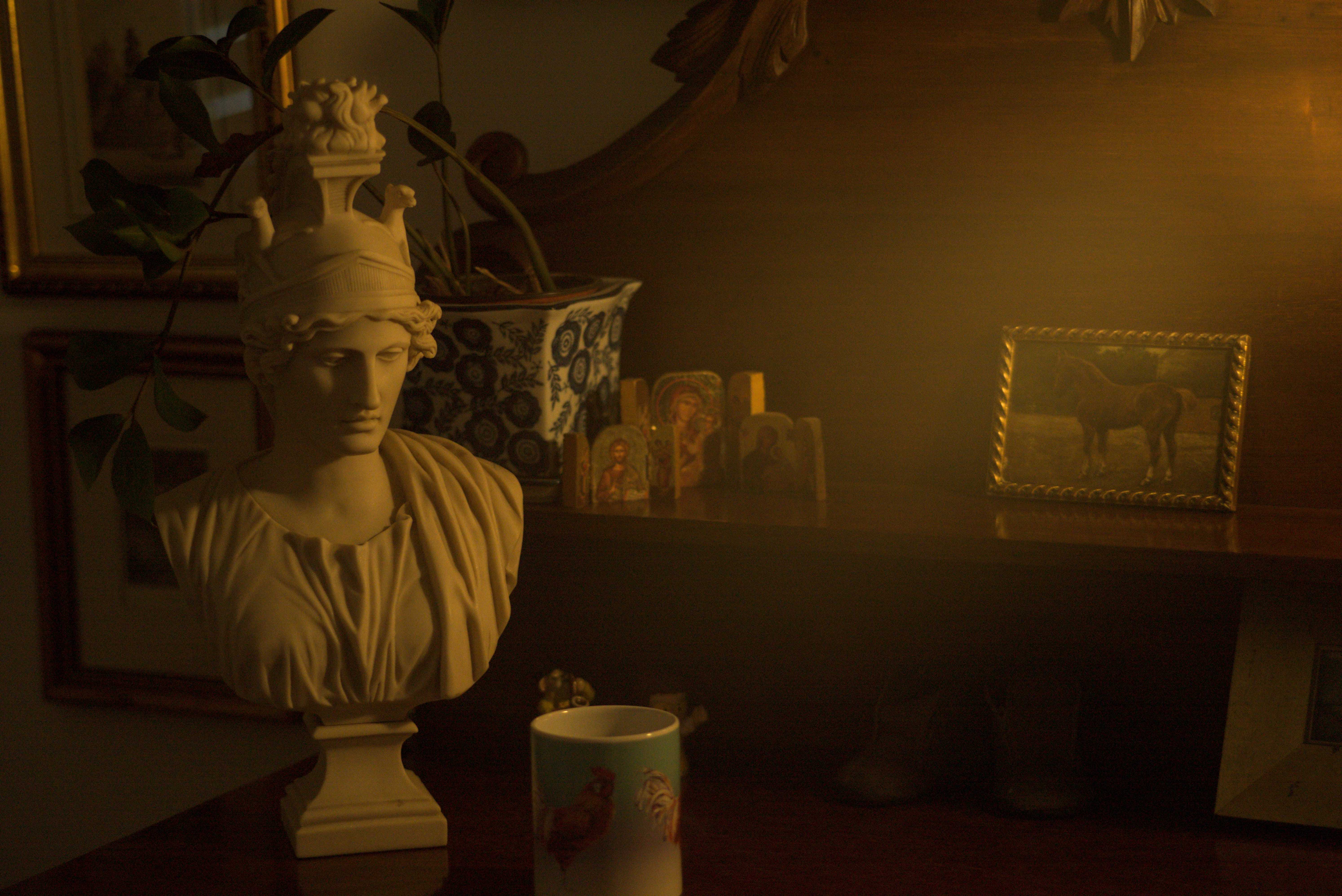
If art can sit above a coat rack, if it can tolerate potential fingerprints, passing shadows, and occasional neglect, then perhaps it is sturdier than we imagine. It doesn’t require protection so much as proximity – and tolerance.
Once art is allowed to live among ordinary things, it stops being something we visit and starts becoming something we experience. It is difficult not to wonder what we gain – and what we lose – by keeping art elsewhere, under different conditions, behind quieter walls. But that’s a larger question that I don’t think I have answers to yet.
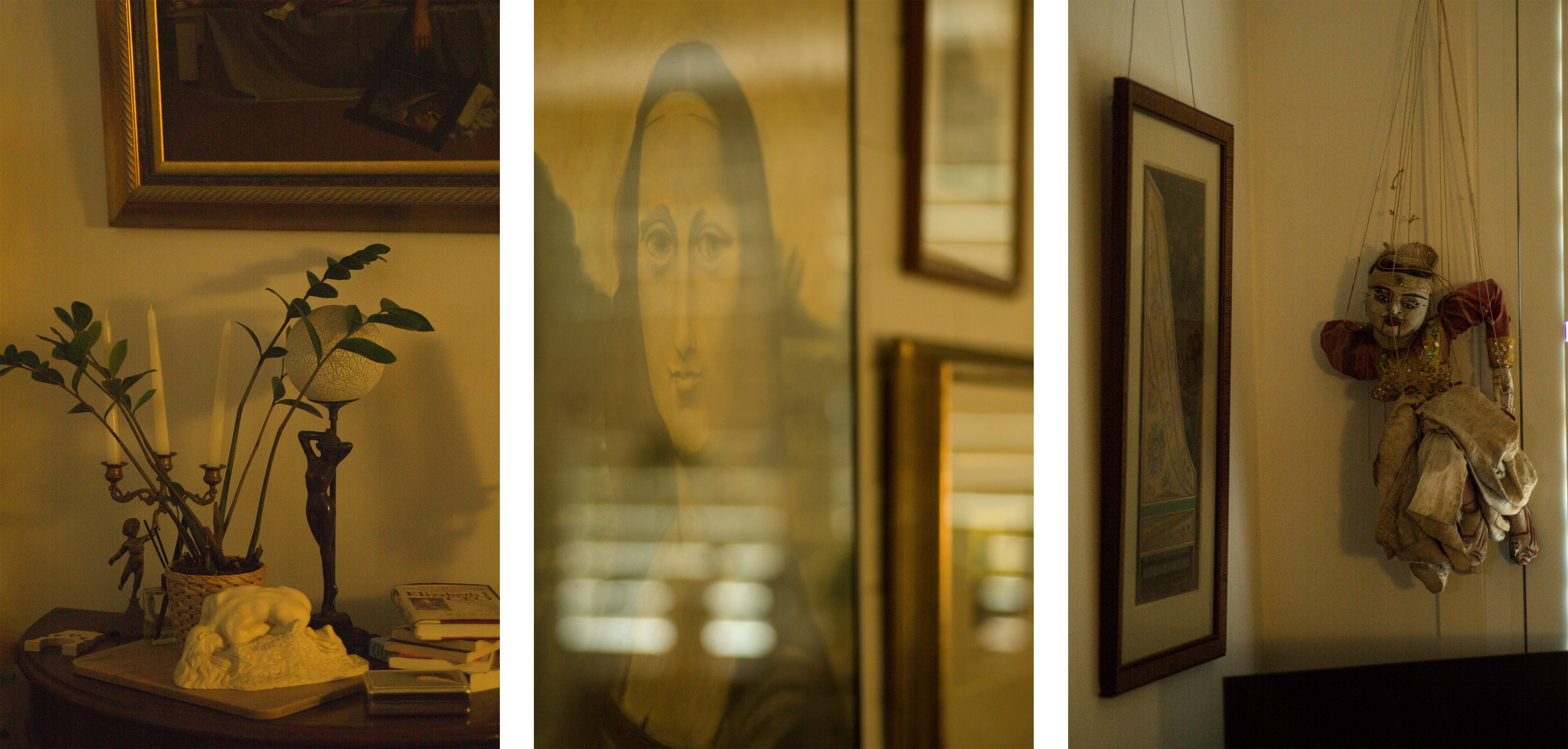
For now, the kettle has boiled. The light has shifted. The room looks different again, even from when I just walked in. The art remains, unconcerned.
And I take a biscuit, from a small painted ceramic, that offers function and beauty in equal measure.
The images in this article are a selection from a larger photographic series titled Beauty, Everyday
Leave a Reply